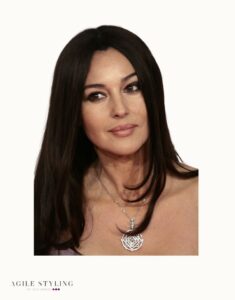
Deep Winter (Dark Winter): The Neutral Powerhouse of the 16-Season System 

Understanding the season that lives in depth, not in extremes. 

If you have ever felt torn between Winter and Autumn, not because you love “warm” or “cool,” but because you need richness and depth, you might be Deep Winter in the 16-season color analysis system. 

Deep Winter is often misread through a 12-season lens. In many 12-season interpretations, Dark Winter is treated as a clearly cool, high-contrast type, sometimes even described with icy features. In 16 seasons, the story is more nuanced: Deep Winter is a neutral season that leans cool, and that neutrality changes everything. 

 1.⁠ ⁠First things first: Deep Winter in 16 Seasons is neutral to neutral-cool 

Deep Winter is defined by depth, but its undertone is not purely cool. It is neutral to neutral-cool, which is exactly why many people feel “in-between” when they try to self-diagnose. 

Deep Winter sits between Winter and Autumn in depth, yet stays closer to Winter in temperature direction. In practice, that means you can handle richness, but warmth is not your friend. 

This is the key to understanding the deep winter color palette. It is deep, polished, and controlled, with undertones that stay neutral or neutral-cool rather than warm. 

2.⁠ ⁠Why Deep Winter is hard to identify without professional draping

Deep Winter is not the season of obvious signals. It is very easy to confuse with True Winter, Deep Autumn, or even certain Summer types depending on lighting, makeup, and hair color. 

Here is the nuance: many Deep Winters can look “fine” in a few deeper Autumn shades, and they can also wear some Winter depth. But only professional draping reveals what actually happens on the skin. 

When the palette is correct, the face looks clearer and more structured. When the palette is wrong, the skin can look heavier, duller, or slightly off, even if the outfit seems stylish. 

Deep Winter is one of those seasons where professional draping is not a luxury. It is the difference between guessing and knowing. 

3.⁠ ⁠Contrast in Deep Winter: not extreme, but intentional 

A common stereotype is that Winter means maximum contrast all the time. For Deep Winter, that can be misleading. 

Deep Winter contrast is best described as medium to high, and it can sometimes read softer depending on features and styling choices. The goal is not harsh contrast. The goal is definition without severity. 

This becomes an important styling rule for deep winter clothes: you want visual structure, but you do not need every outfit to look like a black-and-white advertisement. 

 4.⁠ ⁠Deep Winter features: dark eyes are common   

This is another major difference between systems. 

In many 12-season descriptions, Dark Winter can be illustrated with icy or very bright eye examples. In 16 seasons, Deep Winter is more commonly associated with dark eyes, often dark brown, deep hazel-brown, or very deep green-brown tones. 

That is one reason why people get confused. They read “Winter,” look at their dark eyes, and assume they must be Autumn. Then they try warm depth, and everything starts to feel heavy. 

If you have deep features but warm palettes make you look tired, it is worth exploring Deep Winter properly. 

5.⁠ ⁠Deep Winter color palette: overall direction 

Let’s keep this practical. Deep Winter is about depth and neutrality. 

The best colors for deep winter have these qualities: 

  • ⁠  ⁠deep value rather than lightness
  • ⁠  ⁠richness rather than dustiness
  • ⁠  ⁠neutral to neutral-cool undertone
  • ⁠  ⁠clean presence rather than softness or haziness

This is the most useful way to think about deep winter colors and colors for deep winter: choose tones that look elegant and grounded, not warm and earthy, and not pale or powdery. 

If you feel that warm browns, camel, golden beiges, or rusty tones pull your face downward, that is the neutrality issue showing itself. 

6.⁠ ⁠A simple Deep Winter wardrobe 

A Deep Winter wardrobe is refined, modern, and beautifully edited.
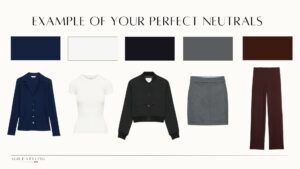
Deep Winter typically looks strongest in: 

  • ⁠  ⁠structured silhouettes and clean lines
  • ⁠  ⁠deep neutrals as a base
  • ⁠  ⁠smooth, polished textures
  • ⁠  ⁠intentional layering that creates depth without chaos

This is why deep winter clothes often look “expensive” even when they are not. The palette naturally supports cohesion. 

7.⁠ ⁠Deep Winter makeup palette  

Deep Winter makeup works best when it respects neutrality. 

Your deep winter makeup palette should feel: 

  • ⁠  ⁠neutral to neutral-cool
  • ⁠  ⁠rich in depth
  • ⁠  ⁠clean rather than overly smoky
  • ⁠  ⁠defined rather than aggressively contrasted

This is true for deep winter makeup and also for dark winter makeup. If your makeup turns ashy, too sharp, too grey, too warm, or overly red-orange, it is usually the undertone mismatch. 

Deep Winter lipstick 
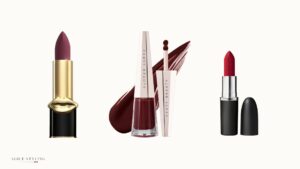
Deep Winter lipstick is not about “blue-based.” In this season, that advice often creates a harsh result. 

Instead, deep winter lipstick should stay neutral in undertone and deep in value. 

That is the simplest rule for deep winter lipstick colors: richness and neutrality, not icy coolness and not warm brick tones. 

When you find the right family, deep winter lipstick shades look elegant rather than dramatic for the sake of drama. 

Deep Winter nail colors 

Deep winter nail colors follow the same philosophy as lipstick: neutral undertone, deeper value. 

If a nail shade looks too warm, it can pull the whole hand and face warmer than you actually are. If it is too icy, it can look disconnected. Neutral depth is the sweet spot. 

8.⁠ ⁠Deep Winter celebrities 

I am going to say this clearly, because it is important and it is part of professional ethics. 

The phrase deep winter celebrities is popular online, but assigning seasons to public figures based on curated photos is not true color analysis. Lighting, editing, spray tan, hair color shifts, and professional makeup completely change what we see. 

So instead of naming people and pretending it is factual, I treat celebrity typing as entertainment, not education. What actually matters is how color behaves on your skin in real life, under controlled draping. 

If you want, you can send me the specific names you see most often online, and I can help you write a polite, authoritative “myth-busting” paragraph explaining why that is unreliable, while keeping your content classy and client-focused. 

Some examples of Deep Winter that I am confident to say they are: Monica Bellucci, Kendall Jenner, Kim Kardashian.   

⁠9.⁠ ⁠Special events: Deep Winter does not require harsh contrast 

Deep Winter can look stunning in eveningwear because deep colors photograph beautifully. But you do not need extreme contrast to look powerful. 

For events, aim for: 

  • ⁠  ⁠depth in the outfit
  • ⁠  ⁠refined structure
  • ⁠  ⁠controlled shine
  • ⁠  ⁠neutral-cool balance

This gives you presence without overpowering you.   

10.⁠ ⁠Why knowing your season matters   

When you understand your deep winter color palette, everything gets easier: 

  • ⁠  ⁠shopping becomes faster and more accurate
  • ⁠  ⁠makeup decisions become intuitive
  • ⁠  ⁠wardrobe building becomes cohesive
  • ⁠  ⁠photos look sharper and more expensive
  • ⁠  ⁠you stop wasting money on “almost right” warm deep shades

Depth is not the whole story. Neutrality is the missing piece for many Deep Winters.  

If you’re ready to refine your palette and use your colors with clarity and intention, we invite you to experience a personalized Color Analysis.

Discover Your Palette