If you’ve ever felt drawn to the warmth of the autumn color palettes and the cool tranquility of Summer — yet never fully aligned with either — you may belong to Muted Autumn, often confused with Soft Autumn, one of the most nuanced and quietly refined seasons in the 16-Season Color Analysis System.
This season is frequently misunderstood because many online resources still rely on the 12-season Soft Autumn color analysis, which is not equivalent to Muted Autumn in the 16-season framework.
Let’s bring clarity, elegance, and a little Julia-style finesse to this beautifully neutral season. 🤌🏻
In the 12-season system, Soft Autumn is described as warm, muted, and lighter compared to the True Autumn color palette.
But in the 16-season framework, Muted Autumn (Soft Autumn) is entirely neutral in undertone, which has a major impact on the soft autumn skin tone and overall appearance.
It sits between True Summer and True Autumn, sharing their softness while staying temperature-balanced:
Muted Autumn is the point where warmth and coolness dissolve into calm, harmonious neutrality — something the traditional warm autumn color palette does not offer.
Muted Autumn is one of the most delicate and refined palettes in the entire system. Its harmony comes from balance, not boldness — which makes it extremely difficult to identify through DIY soft autumn color analysis.
This season doesn’t show clear warm or cool signals. Instead, its features tend to feel:
Many Muted Autumns borrow hints from both Summer and Autumn, often wondering “Am I soft summer or soft autumn?” — yet never strongly enough to fully match either.
Because Muted Autumn’s harmony is found in such subtle neutrality, true identification usually emerges only through professional draping, where micro-shifts in undertone, depth, and saturation can be seen directly on the skin.
It’s not a season defined by standout traits — it’s defined by the absence of extremes.
(soft summer vs soft autumn explained)
Muted Autumn and Muted Summer share softness, which is why soft summer vs soft autumn is one of the most common confusions in color analysis.
The difference lies in temperature influence:
Both seasons avoid intensity, but they respond to color in completely different ways.
Muted Autumn thrives in neutral, softened autumn colors palette shades, steering clear of anything icy, overly warm, or highly saturated.
Instead of memorizing specific shades from a soft autumn palette, think in direction:
If you’ve ever asked “what is soft autumn color palette?” — the answer is not brightness, but restraint.
This palette embodies quiet sophistication — understated, harmonious, effortless.
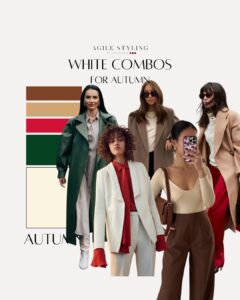
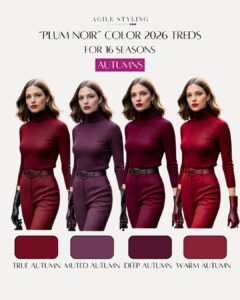
(soft autumn clothes & outfits in practice)
Picture a wardrobe that feels like a watercolor painting — blended, serene, intentional.
Muted Autumn wardrobes often include:
These soft autumn outfits feel modern, refined, and quietly luxurious — never overpowering the wearer.
(best makeup for Soft Autumn)
The most flattering soft autumn makeup follows these principles:
Think muted blushes, soft browns, neutral peaches, and soft autumn lipstick shades that enhance rather than compete.
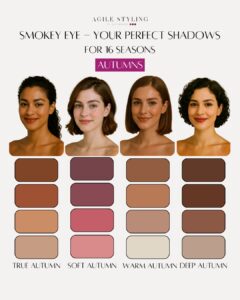
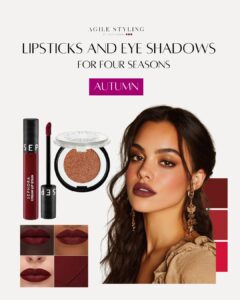
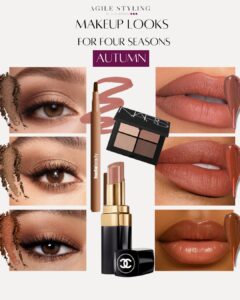
(soft autumn hair color & hair colors to avoid)
The most flattering soft autumn hair color stays within the neutral-brown spectrum:
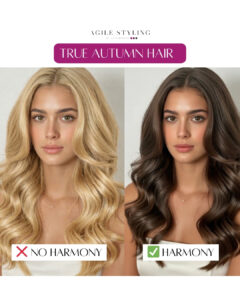
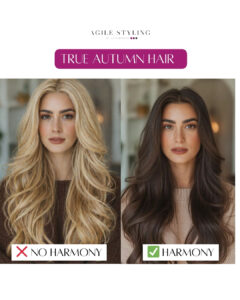
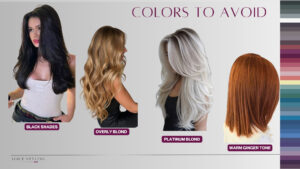
Hair colors to avoid include anything too golden, brassy, icy, or overly ashy — these disrupt the delicate balance of a neutral autumn skin tone color palette.
(soft autumn jewelry)
Muted Autumn looks best in softly finished metals:
Highly polished yellow gold or stark silver can overpower the harmony. Choosing the right jewelry metals that suit Soft Autumn maintains balance.
Both illustrate how understated tones elevate neutral, muted features.
A common misunderstanding is that Soft Autumn (12 seasons) is simply a lighter Autumn.
In reality, the warm soft autumn color palette is warm — while Muted Autumn in the 16-season system is neutral.
This distinction dramatically changes how soft autumn colors, makeup, hair, and clothing interact with the skin.
One client spent years oscillating between True Autumn and True Summer, constantly questioning soft summer or soft autumn?
Some autumn colors palette shades made her glow; others turned her yellow.
Some Summer tones felt gentle; others washed her out.
In the 12-season system, she was labeled Soft Autumn — but warm softness overwhelmed her.
During her 16-season draping, everything clicked.
She wasn’t Soft Autumn. She was Muted Autumn, a neutral season sitting between Summer and Autumn.
Warm tones made her sallow.
Cool tones drained her.
Neutral, softened shades brought instant harmony.
“I didn’t know neutrality existed — but it explains everything.”
Muted Autumn includes deeper, elegant tones that photograph beautifully and work effortlessly for eveningwear — refined, soft, and never overwhelming.
Understanding your exact season transforms:
Color analysis isn’t about limits —
it’s about clarity, ease, harmony, and confidence.
For a Soft Autumn palette, avoid stark, clear and cool colors like black, pure white and harsh grays, because its make you look drained instead of this choose softer, warmer alternatives like warm browns, dusty roses and muted teals.
For the Soft Autumn palette, ideal hair colors are warm, muted and gentle, like golden brown, honey blonde, soft copper and warm caramel/hazelnut. These shades harmonize with the earthy, low-contrast natural coloring, emphasizing golden and warm undertones.
Focus on warm, muted, medium-toned colors like deep warm taupe, cocoa and soft olive green, avoiding stark black and white. Build low-contrast outfits using soft, natural textures (suede, matte cotton) to add depth, ensuring all pieces are interchangeable.
The best colours for this season are gentle and neither too cool nor too warm. This means the palette lacks colours such as the oranges of true Autumn or the darker colours from the Dark Autumn palette.
Subscribe now and get 5% off your first order, plus access to expert styling tips, personalized color insights, and exclusive updates.